
Overview: Amateur Satellites in 2026
The coming year is shaping a notable shift in the amateur-satellites-2026 landscape, driven by official previews from AMSAT that point to a growing, easy-to-work low Earth orbit (LEO) fleet. Central to this development are digipeater-capable CubeSats, which are designed to be accessible to a broad range of operators—from portable field setups to home stations. The emphasis is on simplifying ground-station interfaces, expanding pass opportunities, and increasing the reliability of two-way satellite communications without requiring specialized, high-cost gear.
Two concepts frequently highlighted in 2026 discussions are Fox-Plus and GOLF. These platforms are presented as part of a family of CubeSats that aim to be approachable for everyday hams while preserving practical digipeating capabilities. For a current snapshot of ongoing projects and upcoming satellites, AMSAT’s project-status page and upcoming-satellites listings provide official context: AMSAT project status and Upcoming satellites.
What Fox-Plus and GOLF Bring to the Fleet
Fox-Plus and GOLF are described as compact, ground-station-friendly satellites whose design priorities include straightforward operation, robust digipeating paths, and reliable beaconing. These attributes align with a broader trend toward modular CubeSats that can be integrated with common, affordable ground equipment while delivering meaningful, two-way capabilities on familiar amateur bands.
Key capabilities typically associated with these platforms include digipeating APRS packets, potential store-and-forward functionality where applicable, and predictable pass behavior that makes it easier to plan and execute contacts. The overarching goal is to reduce barriers to entry while maintaining useful, real-world operating outcomes for hams with a range of experience levels.
For ground stations, the implications are incremental rather than revolutionary: operators can start with modest, dual-band antennas and a capable transceiver, then scale as interest grows. The trend favors software tools and hardware that integrate smoothly, minimizing the friction between tracking a pass and actually exchanging signals through the satellite link.
Getting Ready: Ground Station Setup
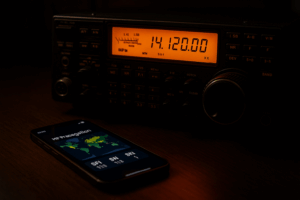
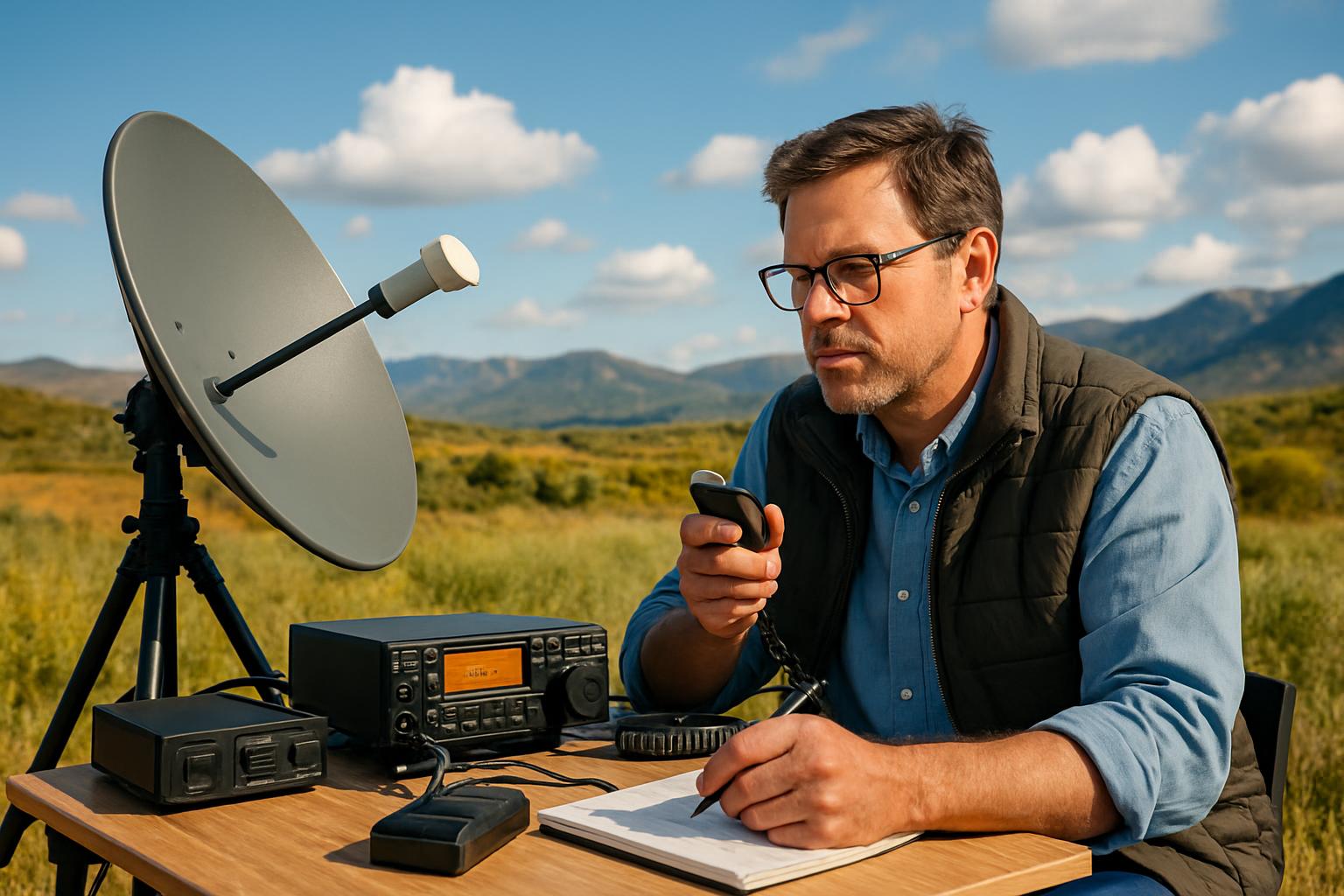
As the amateur-satellites-2026 landscape broadens, practical ground-station readiness becomes a core prerequisite for participation. A sensible starting point is a dual-band setup that covers the 2-meter and 70-centimeter bands, paired with a versatile transceiver capable of FM and narrowband modes commonly used in satellite work. The aim is to create a reliable, small-footprint station that can operate in a field environment or a compact home shack.
- Select a dual-band antenna suitable for 2m/70cm with a reasonable gain and azimuth/elevation range.
- Incorporate a low-noise amplifier (LNA) or appropriate preamplifier to improve receive sensitivity through the satellite link.
- Use tracking software to predict passes and generate antenna-pointing commands, enabling efficient pass-time operation.
- Establish a simple, robust signal-path between the radio, control computer, and logging tool to capture contacts and telemetry.
- Plan for power management and weatherproof connections if operating outdoors, with attention to safety and weather-related wear.
Practical considerations include keeping feed lines short and well-supported to limit losses, ensuring a stable mast or tripod, and verifying that all connections are weatherproof for field use. The overall intent is to provide a dependable, repeatable workflow that works across different satellites in the 2026 fleet.
Tips for Working Digipeater CubeSats
Digipeater-capable CubeSats like Fox-Plus and GOLF rely on the ability to repeat APRS packets or similar digipeated traffic. A successful exchange often hinges on pass timing, disciplined uplink power, and clean beaconing. A practical workflow for casual and portable operators includes:
- Check a current pass prediction, prioritizing passes with a favorable elevation to maximize contact opportunities.
- Configure your radio to the satellite’s downlink frequency and listen first to avoid crowding the uplink. Coast-to-coast, many passes have brief windows where transmissions must be well-timed.
- Enable the digipeater path if the satellite supports an APRS digipeat function, or use a basic beacon to announce your presence and location.
- Transmit a short, clear callsign and location, and be prepared to respond to requests or other operators who may be listening through the same pass.
- Log the contact promptly in your logging software and, where applicable, tag the event for awards or club activities to track participation over time.
Successful operation also depends on the operator’s awareness of the local environment and other operators. Because satellite activity can be busy, keeping transmissions concise and avoiding unnecessary overlap helps preserve clear channels for everyone on the pass.
Licensing, Safety, and Best Practices
Licensing privileges, allocated bands, and RF exposure rules vary by jurisdiction. The expanding satellite fleet underscores the importance of operating within your license class and adhering to local regulations. Practical safety considerations include ensuring sturdy mast support, weatherproofing outdoor connections, protecting power supplies from moisture, and staying mindful of nearby hazards when operating in field environments.
In addition to regulatory compliance, operators should follow established best practices for satellite work: announce your callsign clearly, use concise exchanges, and log contacts accurately. Ground stations should be designed with RF exposure awareness in mind, particularly when elevated operating positions or close-range connections are involved. Operators are encouraged to stay informed about changes in rules and band plans that may affect satellite operations in the coming years.
Staying Informed and Getting Involved
Ongoing updates about Fox-Plus, GOLF, and other satellite activities are best followed through legitimate AMSAT resources and established community discussions. The project-status and upcoming-satellites pages provide current information about planned or announced assets, while local ham radio clubs and online forums can offer practical, hands-on advice from peers who are actively tracking passes and coordinating mobile or field operations. Direct references to authoritative sources help ensure that operators work with accurate, up-to-date information: AMSAT project status and Upcoming satellites.
Beyond official pages, reach out to local clubs, participate in on-air nets focused on satellite work, and experiment with small, low-risk projects to build familiarity with the process. The 2026 landscape invites a broad range of operators to contribute to a growing, shared community of practice around easy-to-work satellite operations.
Closing Thoughts: A More Accessible Future for Amateur Satellites
The 2026 outlook for amateur-satellites-2026 emphasizes accessibility and participation. By expanding easy-to-work ground stations and supporting digipeater-capable CubeSats, the hobby stands to attract more operators to listen, decode, and respond to satellite activity. The practical implications include more frequent passes, streamlined setup workflows, and a broader pool of operators sharing the experience of satellite communications. As the fleet grows, so too does the opportunity for constructive experimentation and reliable, low-barrier access to space-based amateur radio activity.