Five watts can travel surprisingly far, but QRP DX is not magic. Here is a practical way to improve your odds by reducing losses, choosing the right band, and operating with discipline.

We supply Vikings, Gladiators, Hams, Sailors and other braves
We supply Vikings, Gladiators, Hams, Sailors and other braves
Five watts can travel surprisingly far, but QRP DX is not magic. Here is a practical way to improve your odds by reducing losses, choosing the right band, and operating with discipline.

Award-ready logging is not about recording everything forever. It is about capturing the few facts that cannot be reconstructed later, keeping claims separate from confirmations, and building a routine that preserves evidence without overcomplicating everyday operating.
A first HF dipole is simple, but the finished antenna includes height, feed line, supports, nearby objects, and measurement habits. Here is how to think about it before you start trimming.
HF propagation forecasts are useful, but they do not make contacts for you. Here is a practical pre-operating routine for choosing bands, paths, modes, and backups before an HF session.
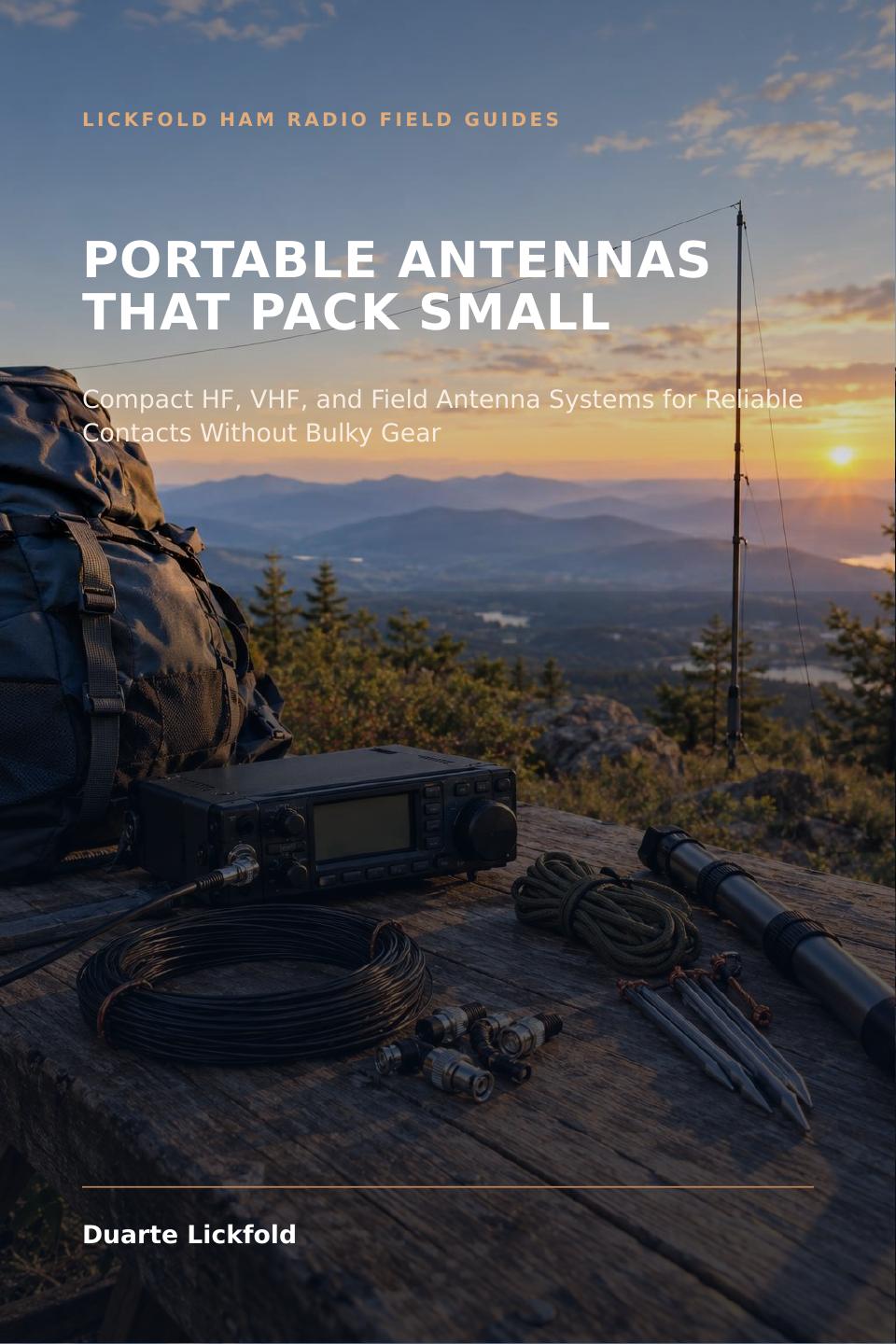
Packing small is not just about using a shorter antenna. A reliable portable radio setup depends on the whole system: radiator, support, feed line, return path, measurement routine, and operating plan.
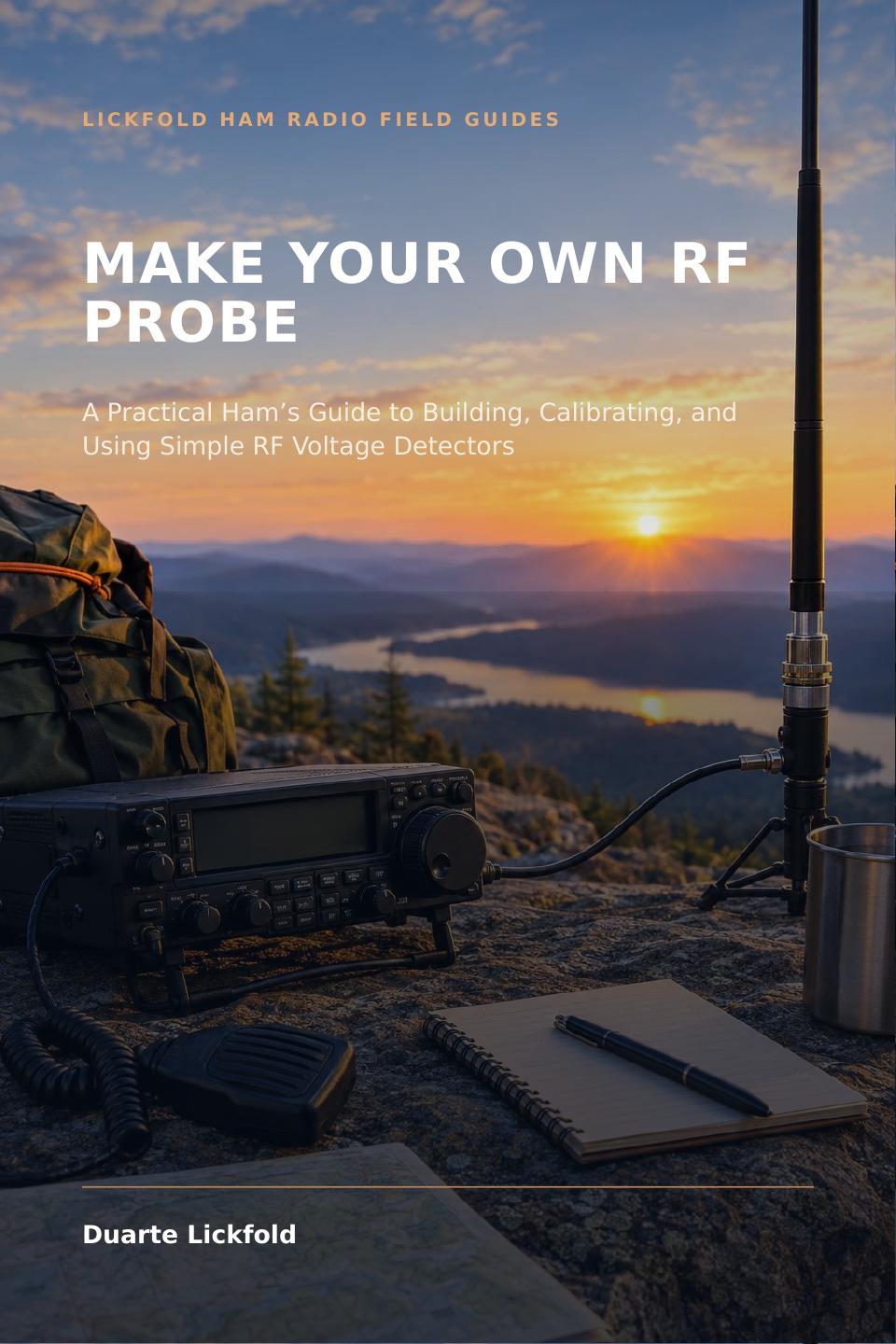
A simple RF probe is useful for finding and comparing RF signals, but it is not a universal RF meter. Here is how to use one wisely.
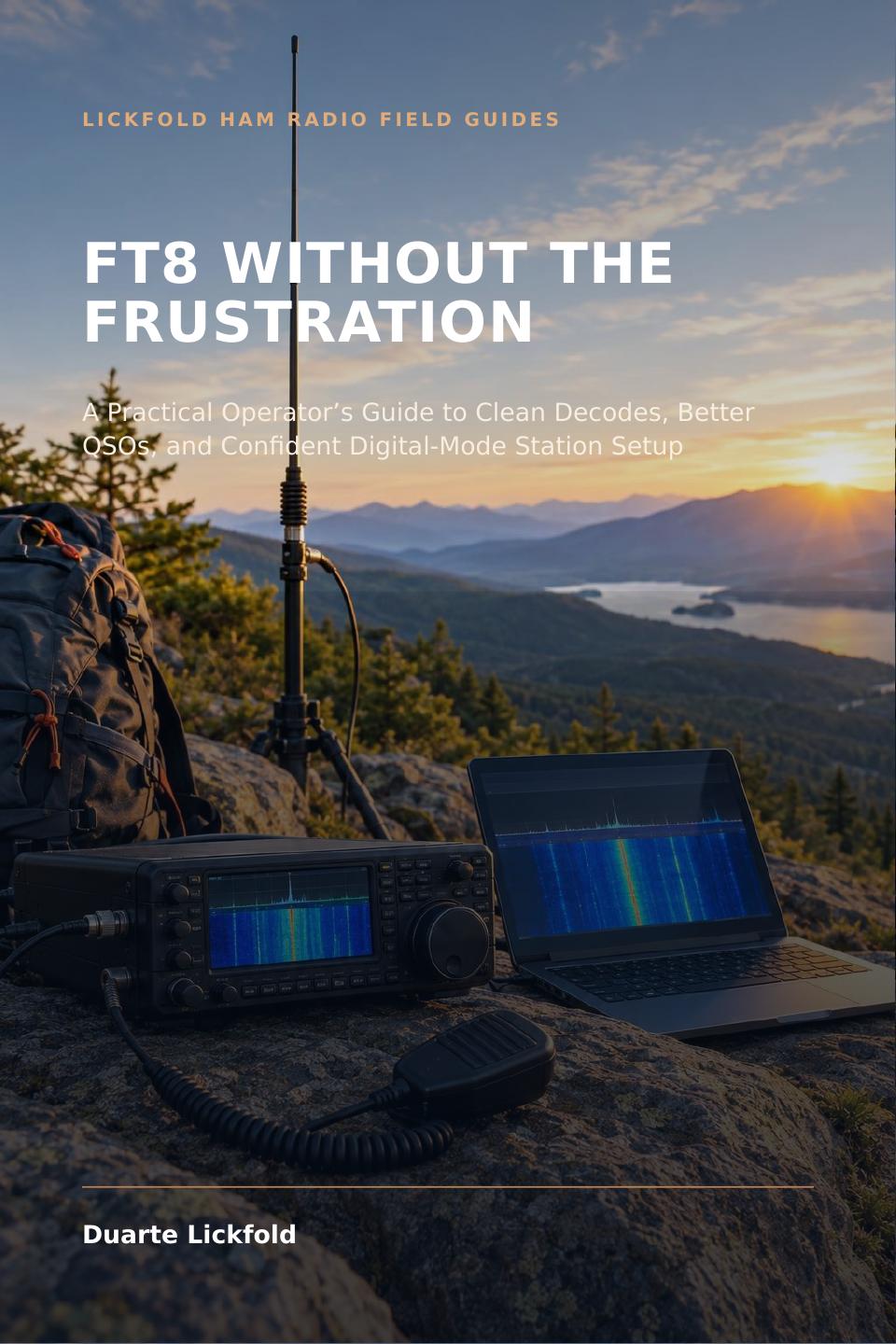
Seeing FT8 decodes proves your receive path is alive, but it does not prove your transmit path is clean, timed, audible, or well placed. Here is a practical way to diagnose the common causes of unanswered calls.
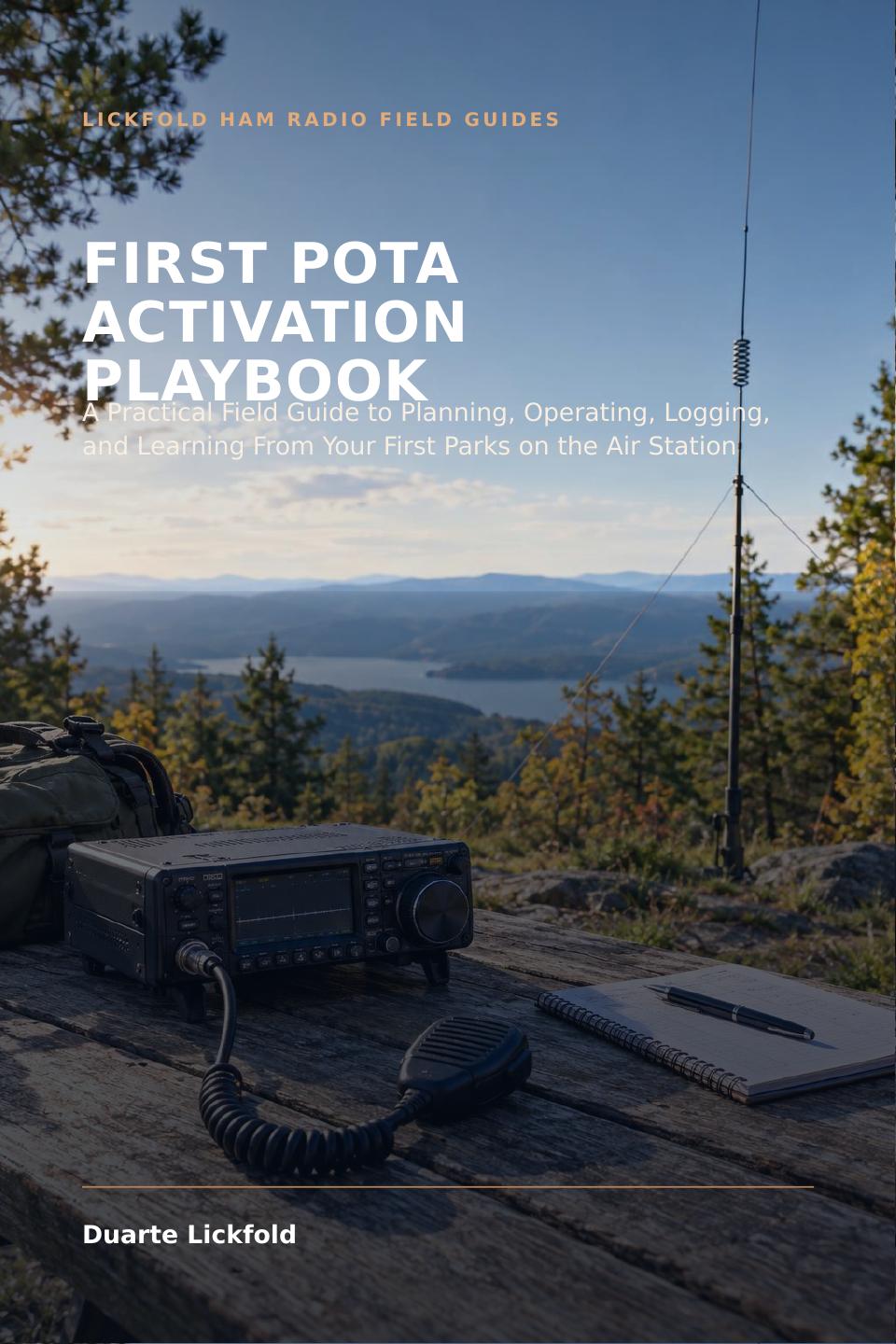
A practical guide to reducing preventable mistakes before your first Parks on the Air activation: choose a forgiving park, build a complete station system, test at home, log carefully, and review what happened afterward.
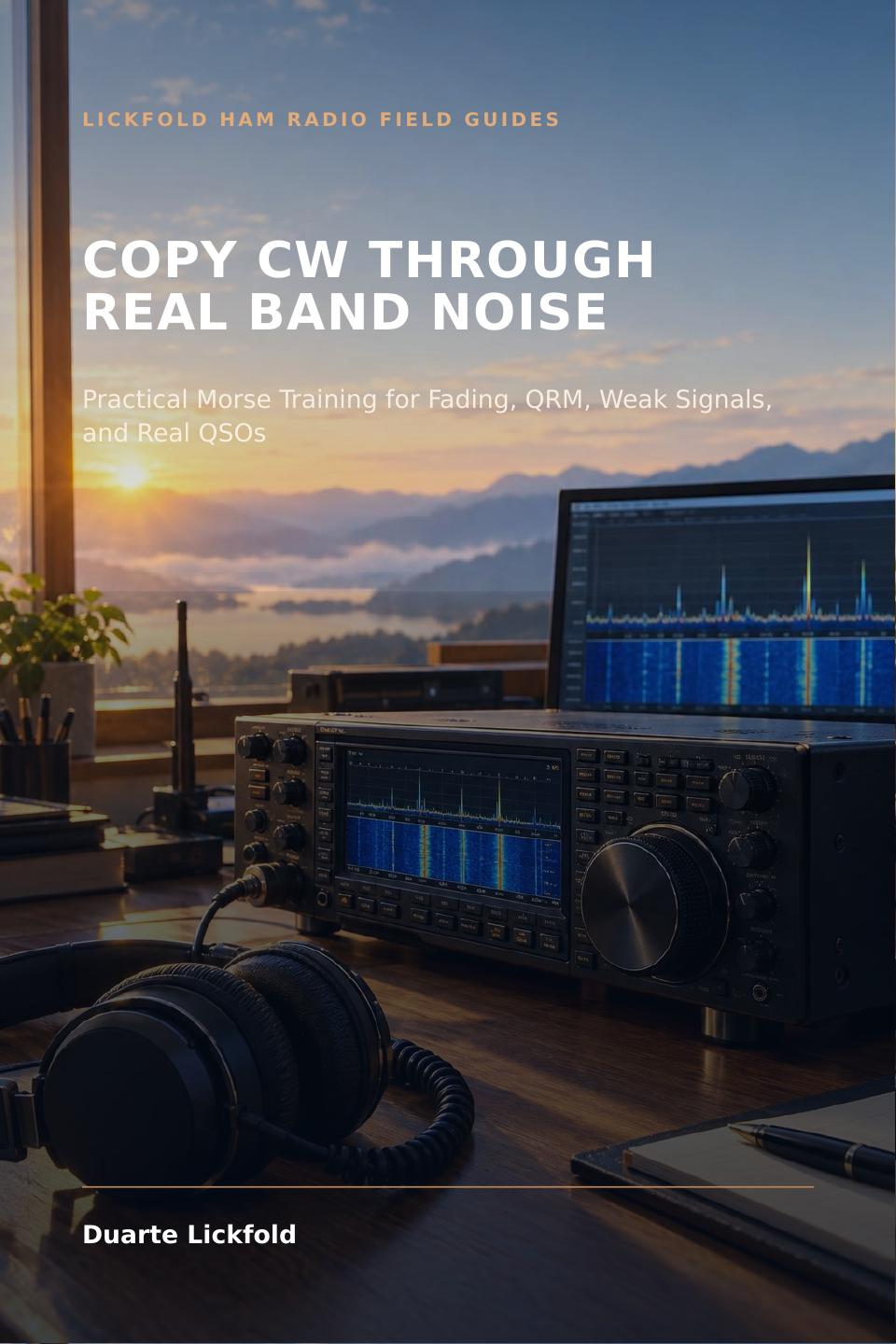
If you can copy practice code but lose real HF CW, the problem is not simply speed. Learn practical ways to train for fading, QRM, weak signals, and real QSOs.
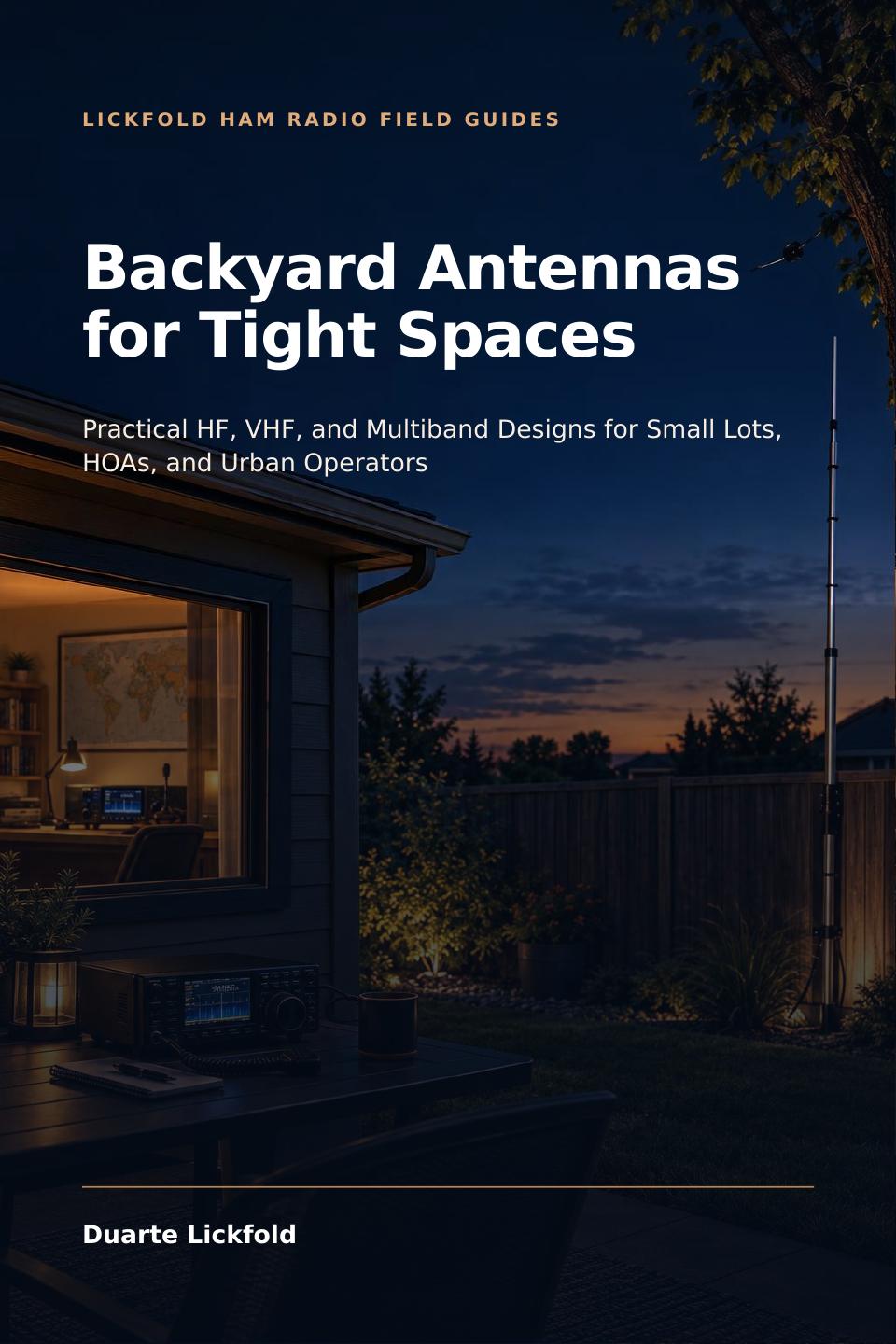
Small-space antenna success starts before you buy wire, coax, or a tuner. Learn how to evaluate your property, choose bands wisely, and avoid common compact-antenna mistakes.
Get a customized HF Propagation Report for your station!
There aren’t two equal stations in the world.
