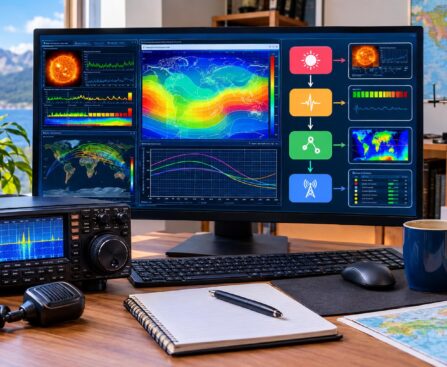
A practical 5-minute workflow for choosing an HF band using SWPC space weather, VOACAP predictions, and live received-signal evidence.

We supply Vikings, Gladiators, Hams, Sailors and other braves
We supply Vikings, Gladiators, Hams, Sailors and other braves

A practical 5-minute workflow for choosing an HF band using SWPC space weather, VOACAP predictions, and live received-signal evidence.

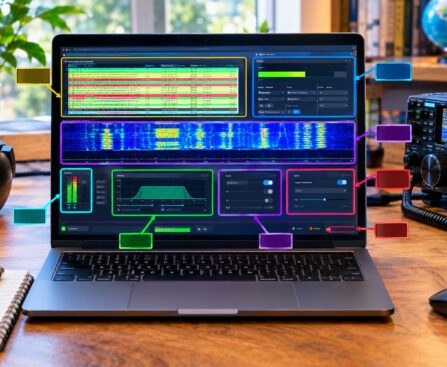
A practical WSJT-X FT8 setup checklist for getting CAT, audio, filters, logging, alerts, split mode, and SuperFox behavior working after an upgrade.
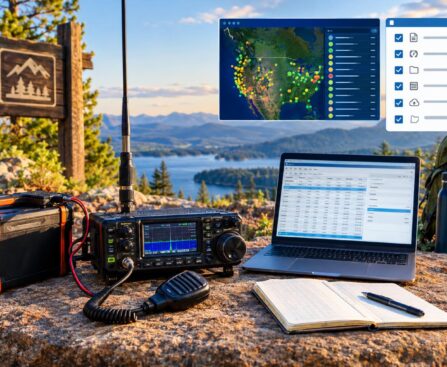
A practical POTA activation workflow for choosing a park, scheduling, spotting, operating, logging ADIF, and avoiding common credit problems.
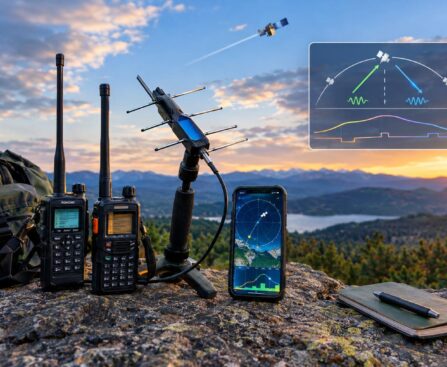
A practical first-QSO guide for FM amateur satellites: verify active birds, plan a pass, program Doppler memories, exchange grids, and operate courteously.
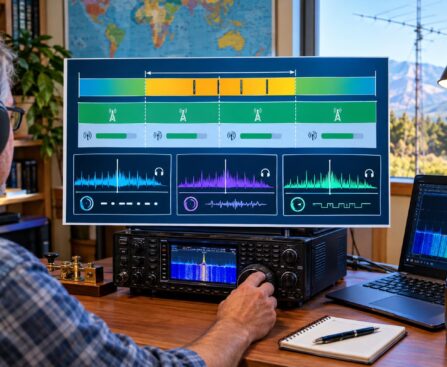
A plain-English 2026 guide to U.S. 60-meter privileges, frequencies, ERP/EIRP, digital modes, CW, voice, and safe operating.
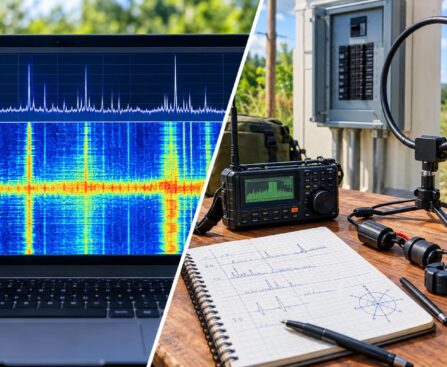
A repeatable SDR waterfall process for isolating HF receive noise, logging evidence, applying ferrites, and escalating power-line RFI.
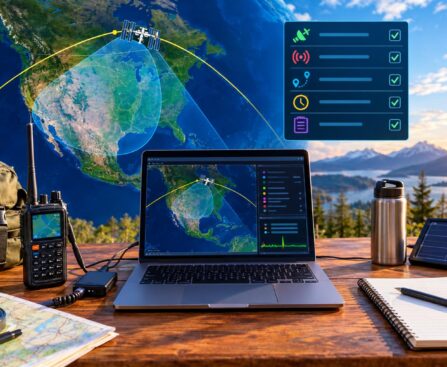
A practical 2026 workflow for using APRS via ISS: live status checks, frequency, path, pass timing, operating etiquette, and confirmation.
Five watts can travel surprisingly far, but QRP DX is not magic. Here is a practical way to improve your odds by reducing losses, choosing the right band, and operating with discipline.
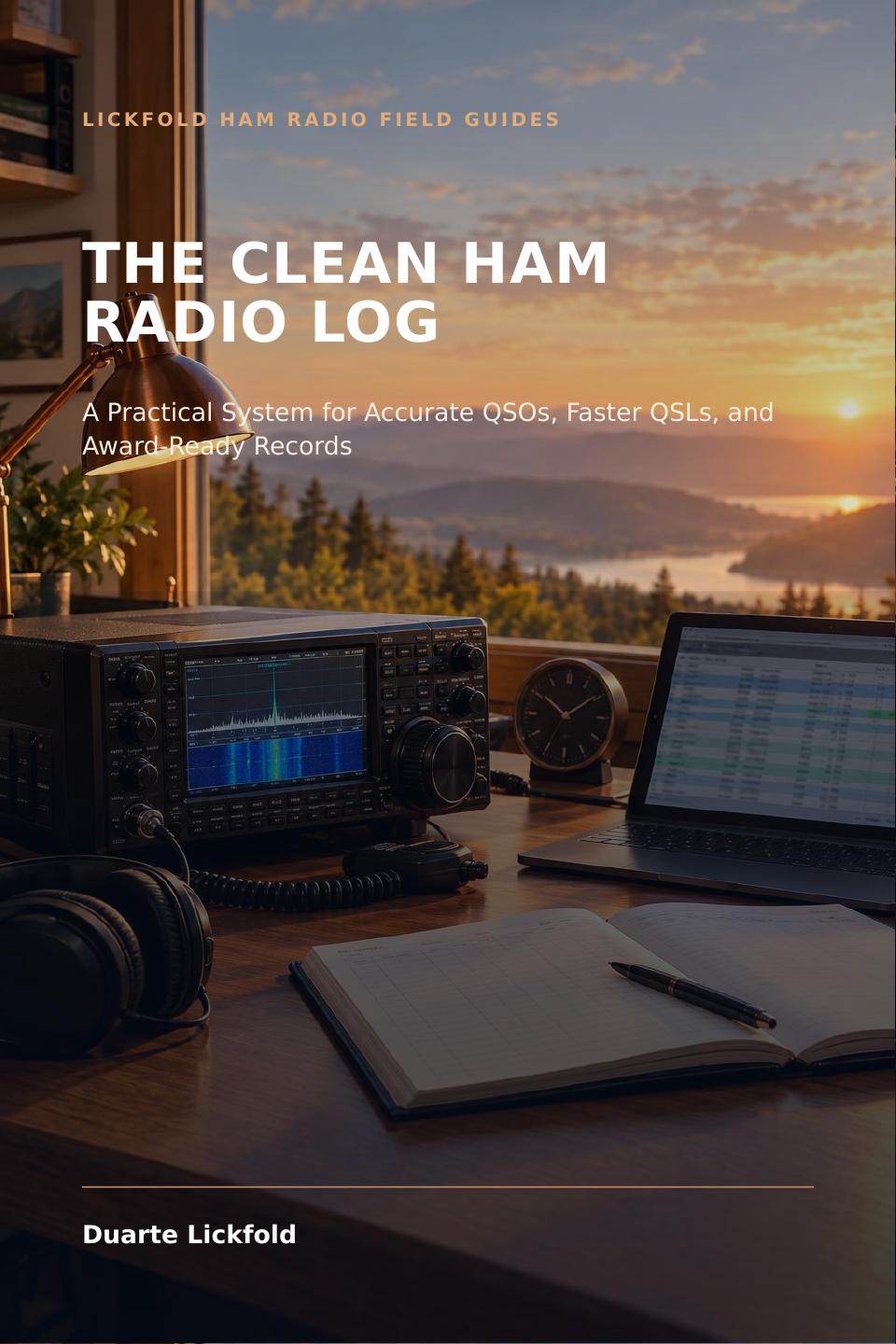
Award-ready logging is not about recording everything forever. It is about capturing the few facts that cannot be reconstructed later, keeping claims separate from confirmations, and building a routine that preserves evidence without overcomplicating everyday operating.
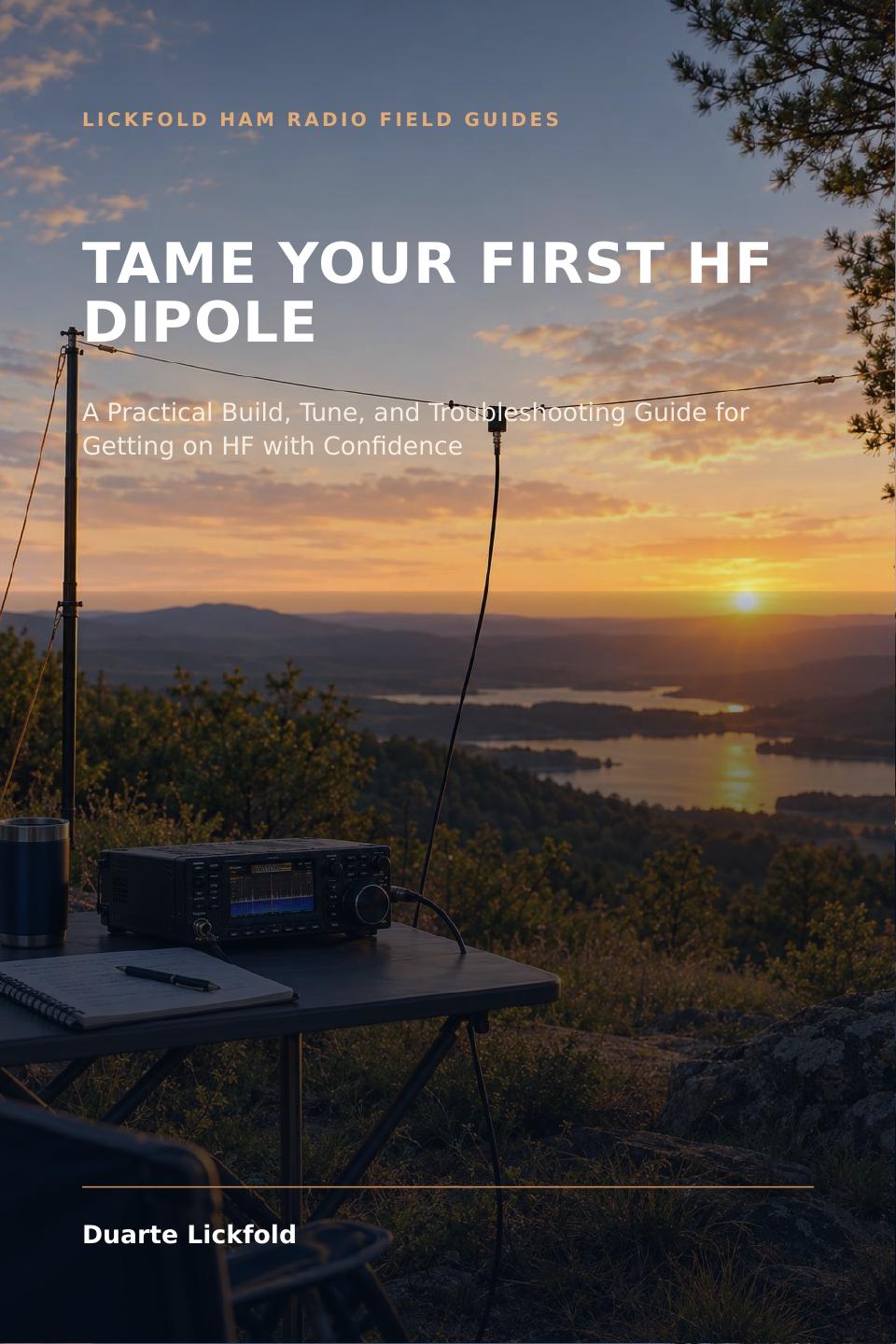
A first HF dipole is simple, but the finished antenna includes height, feed line, supports, nearby objects, and measurement habits. Here is how to think about it before you start trimming.
Get a customized HF Propagation Report for your station!
There aren’t two equal stations in the world.
