
Overview of POTA 2.0 rollout
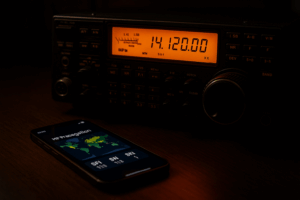
Parks on the Air (POTA) has advanced to POTA 2.0, a program-wide update designed to streamline activation planning, logging, and field operation. The 2026 rollout emphasizes clarity and consistency across park activations, with an emphasis on standardized data, safer field practices, and accessible workflows for activators at all experience levels. The goal is to make activation experiences more predictable for operators and more searchable for the broader amateur radio community, without altering the core aim: to encourage portable operation from designated parks and to document those contacts in a uniform way.
Platform updates, rule clarifications, and workflow improvements are documented by the official POTA documentation and project site. The changes apply across HF and V/UHF operations, and they are designed to harmonize with existing bands, modes, and logging practices while accommodating modern logging tools and field procedures. Operators should begin with the current official rules and then map their activation plans to the updated workflows.
What changed in the 2026 rule updates
Several areas receive attention in the 2026 updates, with a focus on clarity, safety, and interoperability. Activators should refer to the official rules for precise language, but the following summarizes common themes you are likely to encounter when planning a POTA 2.0 activation:
Rules modernization and scope
The rules introduce a clearer framework for park designation, activation eligibility, and the relationship between POTA and other operating awards. Expect tightened definitions for active activation windows, standardized logging expectations, and explicit guidance on the use of portable power sources and safety practices in field conditions.
Activation eligibility and park types
Park classifications and activation eligibility are described with explicit criteria to help operators determine when a location qualifies as a POTA activation site. The 2.0 rules aim to reduce ambiguity around shared or mixed-use sites and provide guidance for multi-park operations conducted within a single activation plan.
Logging and data standards
Logging becomes more standardized under POTA 2.0. Expect defined required fields for every QSO (call sign, park code, date/time, band, mode, and signal reports), plus optional fields that improve data quality for analysis. The new workflow favors digital logs that can be integrated or synchronized with the official activation registry, helping to ensure consistent post-activation reporting.
Safety, regulatory caveats
The updated rules reiterate RF exposure considerations, electrical safety, mast and antenna handling, and outdoor hazard awareness. Licensing privileges and local regulatory compliance remain the responsibility of the operator, and activators are encouraged to verify local rules and licensing requirements before operating.
Logging workflow in POTA 2.0
The logging workflow under POTA 2.0 emphasizes consistency, speed, and accuracy. The updated process supports both traditional logging methods and modern digital tools, with a focus on clean handoffs from field to log submission and cleaner data for park tracking.
Recommended logging practice
Use logs that clearly capture essential QSO details: date/time, frequency/band, mode, operator call sign, park identifier, and a reliable signal report. When possible, adopt a digital log format that maps directly to the POTA data model to minimize re-entry and reduce errors during post-activation processing.
Standardized log fields
Anticipate fields such as:
- Operator call sign
- Park name and park code
- Activation date and duration
- Frequency/band and operating mode
- Signal report and QSOs per band
- Equipment and power source notes
- Activation status (active/in maintenance) and any anomalies
Submission and verification
Post-activation, logs should be submitted through the recommended channel(s) outlined by POTA. The intent is to create a clean, auditable record that can be cross-checked with park data and operator logs. When discrepancies arise, refer to the official guidance for correction procedures and update timelines.
Field activation workflows for 2026 activations
Field activation workflows have been refined to be more approachable yet robust. A successful POTA 2.0 activation balances practical field constraints with the need for reliable data capture and safe operation.
Activation planning
Effective activation planning includes selecting an eligible park, outlining a practical operating plan, and confirming safety considerations. Key steps include reviewing park access, weather contingencies, power requirements, and a clear on-site log protocol. Planning should also address noise sources and potential interference that could affect log integrity or operator safety.
On-site operating workflow
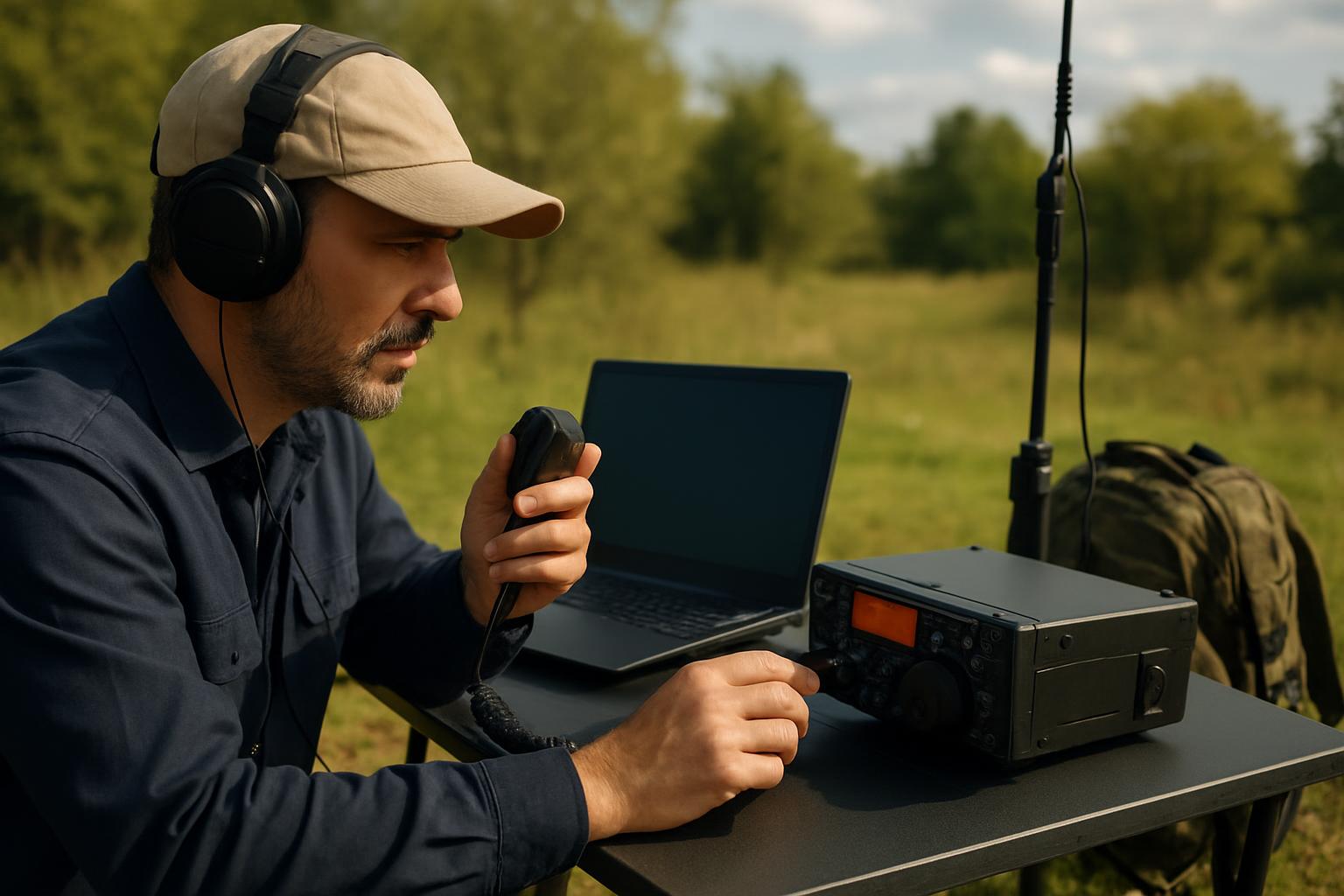
On-site workflow emphasizes safety, efficient setup, and disciplined operating discipline. A typical on-site flow includes:
- Pre-operation risk assessment and RF exposure considerations
- Portable station setup with a compact, transportable power source
- Verification of antenna connections, grounding, and SWR where applicable
- Start of operations with a clear log-up plan and role assignments
- Periodic checks for weather and safety hazards
- End-of-activation shutdown and pack-down procedure
Activation reporting and logs submission
After the activation, compile a concise activation report and the supporting log data. The report should summarize operating periods, park details, notable contacts, and any anomalies encountered. Submitting logs promptly helps maintain data integrity for the park roster and the broader POTA ecosystem.
Practical workflow examples for 2026 activations
Two simple worked scenarios illustrate how POTA 2.0 workflows apply in common field situations. These examples are designed to be realistic and transferable to a range of park activations.
- Scenario A: Small local park activation — A single-operator setup using a lightweight vertical antenna, portable battery power, and a compact rig. Planning focuses on quick setup, safe handling of gear, and rapid log entry to a single-session activation with a short operating window.
- Scenario B: Multi-park weekend activation — A small team plans back-to-back activations at two nearby parks. This requires careful time budgeting, standardized log fields across sites, and a consolidated activation report that captures both sites’ data in a cohesive format.
- Scenario C: QRP field operation — A field operator tests power-efficient gear and a light antenna system. Emphasis lies on energy management, tracking per-QSO performance, and maintaining clean, accurate logs under limited conditions.
Tools and resources
Reliable sources provide the official guidance for POTA 2.0. Consult these resources to align practices with current rules and workflows:
Safety and regulatory caveats
Operating in parks requires attention to RF exposure guidelines, electrical safety, mast handling, and environmental considerations. Local regulations and licensing restrictions apply and may vary by jurisdiction. Always verify park access rules, permit requirements, and safety protocols before an activation. The official POTA documentation is the best reference for current requirements and recommended practices.
Key takeaways
- POTA 2.0 standardizes rules, logging, and field activation workflows for 2026 activations.
- Logging now emphasizes standardized fields and digital compatibility with activation records.
- Activation planning and on-site workflows prioritize safety, efficiency, and data integrity.
- Consult the official rules and resources for precise requirements and submission procedures.
Frequently asked questions
Q: Where can I find the official POTA 2.0 rules?
A: The official rules are published on the POTA documentation site and linked from the Parks on the Air project pages. Always refer to the latest version before activating.
Q: How should I log QSOs for a POTA 2.0 activation?
A: Use the standardized log fields outlined in the current rules and, whenever possible, submit logs via the designated channel to ensure alignment with the activation registry.
Q: What safety considerations are most important for field activations?
A: RF exposure, electrical safety, proper grounding, weather awareness, and safe transport/handling of all equipment are critical. Follow park guidelines and manufacturer safety recommendations.
Conclusion
The POTA 2.0 rollout for 2026 brings clearer rules, streamlined logging, and structured field activation workflows. By prioritizing data integrity, safety, and practical field operations, activators can plan effective park activations that contribute to a richer, more searchable park-to-contact log ecosystem. Always start with the official rules and resources to ensure alignment with current requirements and best practices.