
Overview: Fox-Plus GOLF 2026 and what it could mean for amateur satellites
AMSAT’s Fox-Plus and GOLF programs are progressing toward a planned 2026 launch window. While exact dates and operational details evolve, the publicly available project-status notes emphasize active development and a clear end-to-end path from design to flight. For amateur radio operators, this means a potential opportunity to operate through a cross-band U/V transponder and participate in a new generation of satellite activity that emphasizes accessibility for individual hams and small ground stations. This article distills what’s publicly documented and translates it into practical planning steps for 2026.
Understanding Fox-Plus and GOLF CubeSats
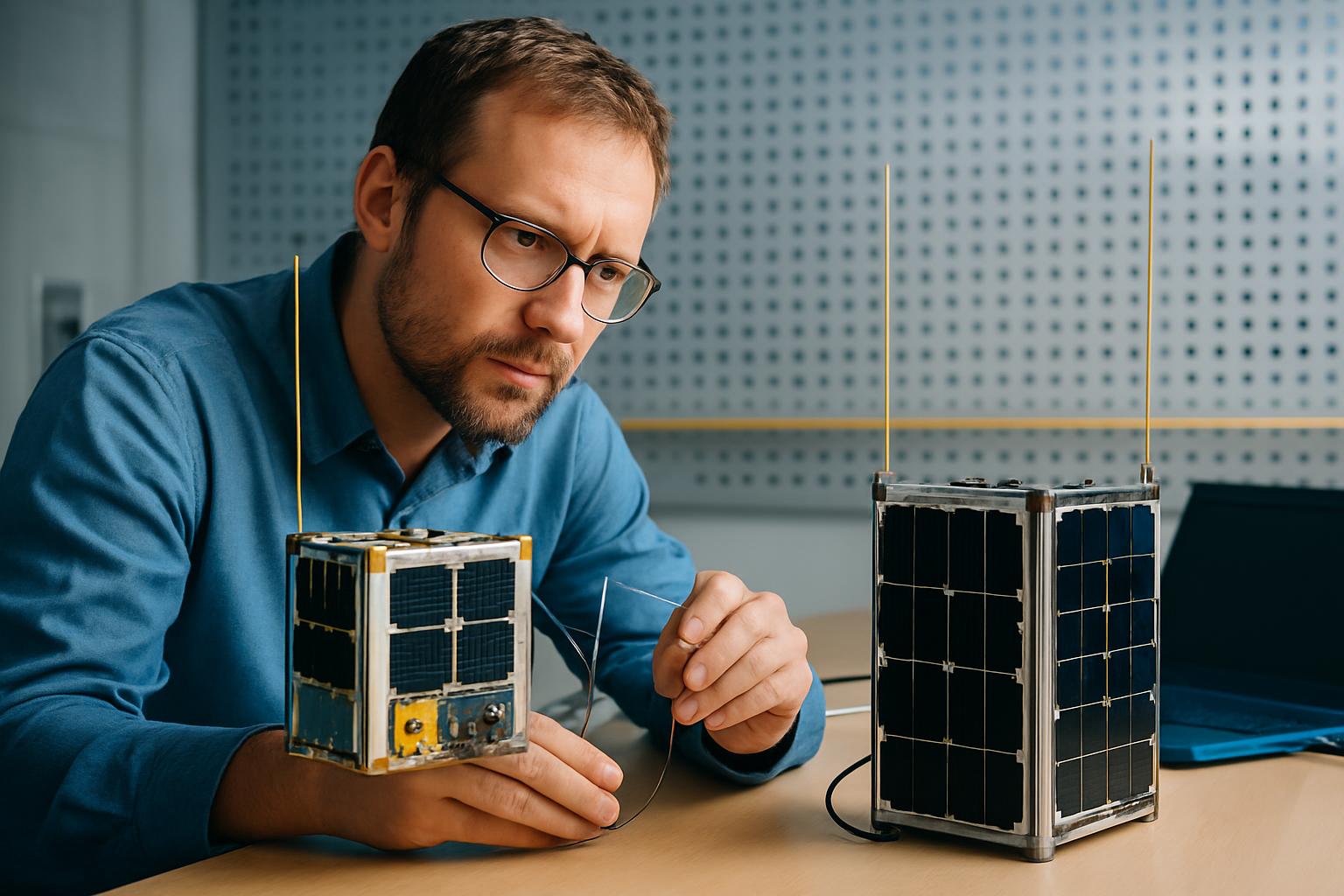
Fox-Plus and GOLF are part of AMSAT’s ongoing effort to provide expanded, user-accessible satellite capabilities. These projects aim to deliver transponder-based communications that can support SSB and CW along with potentially newer digital or linear transponder features. Understanding the scope of these efforts helps operators prepare ground stations, antennas, and uplink/downlink workflows ahead of launch windows.
What is a U/V transponder?
A U/V transponder generally designates a cross-band payload: an uplink received on one band (commonly UHF) and a downlink transmitted on another band (commonly VHF). In practice, operators tune their uplink station to the designated uplink frequency, transmit through the satellite, and receive on the downlink frequency. The exact frequencies and channel plans for Fox-Plus/GOLF will be published by AMSAT when available, so operators should monitor official updates and use properly approved ground stations and software to track passes and schedule contacts.
Planning for 2026: Operational Windows and ground-station readiness
Operational windows depend on orbital launches, satellite deployment, and subsequent on-orbit testing. The 2026 launch window referenced by AMSAT project-status notes signals a period during which Fox-Plus and GOLF would begin routine passes and, ideally, afford amateur operators reliable access. Planning now means building a flexible ground station capable of handling VHF/UHF passes, setting up logging and pass-prediction workflows, and ensuring you have a robust, non-commercial setup that can adapt as transponder parameters become clearer.
Pass predictions and scheduling
Efficient operation starts with reliable pass predictions. Tools and services used by many hams include satellite tracking software and online prediction resources. Establish a baseline plan for your location: identify typical passes (time, elevation, duration) and note the variability due to satellite attitude, beam pointing accuracy, and local interference. As 2026 approaches, keep an eye on AMSAT’s project-status updates for any changes to planned pass opportunities or operational guidelines.
Equipment considerations
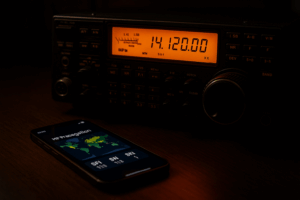
Preparing for Fox-Plus GOLF 2026 means aligning hardware with a cross-band uplink/downlink approach. Practical ground-station readiness includes: a dual-band capable transceiver or SDR setup, a VHF/UHF antenna system (preferably with tracking or rotator capability), appropriate downlink reception capabilities, and a power budget for on-orbit operating conditions. You should also account for RF cabling, SWR considerations, and interference-mitigation strategies in your station design. While exact transponder parameters are pending official release, building flexibility into your station now reduces last-minute conflicts when 2026 passes begin to occur.
Transponder capabilities and how users can access them
Public information from AMSAT indicates ongoing development of transponder modules, including updates to linear transponder capability and related ground-segment integration. “User-accessible” in this context generally means that licensed amateurs with standard ground-station equipment can participate without requiring specialized, institutional-level infrastructure. Expect a documented protocol for uplink/downlink channels, pass schedules, and any required authentication or usage guidelines. As with all AMSAT projects, verify the official documentation before attempting operation, and adhere to governing regulations in your country.
What “user-accessible” means
Accessibility typically translates to a design that accommodates a wide range of amateur stations: commercially available transceivers, SDRs, inexpensive antennas, and straightforward operating procedures. It does not imply a guaranteed contact or a guaranteed window; operation remains subject to orbital geometry, interference, and licensing constraints. Operators should plan for generic cross-band bursts, monitor for uplink/downlink budgets, and prepare to adapt to any evolving transponder configuration announced by AMSAT.
Antennas and uplink/downlink considerations
For U/V transponder configurations, the choice of antenna affects link reliability, especially during marginal passes. A well-matched, dual-band antenna (VHF/UHF) with a stable mounting and good elevation-scan capability helps maximize usable contacts. Ground stations with modest power and well-chosen antenna patterns can still participate effectively if they manage feed-line losses, impedance matching, and near-field interactions near the satellite’s footprint. As always, conduct a careful SWR check and verify regulatory limits for your setup before transmitting on any satellite pass.
Practical steps for AMSAT enthusiasts
Whether you’re a seasoned satellite operator or a newcomer planning for 2026, these steps help you build a ready-to-operate stance as Fox-Plus GOLF 2026 evolves. The goal is practical readiness and the ability to join the satellite activity when the windows open.
Setup checklist
- Confirm ground-station hardware is cross-band capable (VHF/UHF) and testable with a simple, repeatable setup.
- Install and test pass-prediction software or services to anticipate windows with sufficient elevation and duration.
- Prepare a logging workflow that supports satellite QSO entries, time stamps, and frequency records for future reference.
- Configure antenna pointing and front-end impedance matching to minimize SWR and transmitter reflections.
- Monitor AMSAT updates for any changes to transponder parameters, usage rules, or deployment milestones.
Example scenario
Suppose a 2026 pass window aligns with your location and your ground-station setup is ready for U/V operation. You would align your antenna for the predicted elevation, tune your uplink to the published uplink frequency, transmit within the approved power limits, and listen for the downlink on the corresponding VHF/UHF downlink. You would log the contact if it completes within the window, noting signal quality, weather conditions, and equipment performance. This approach keeps you prepared for real-world events and avoids reliance on idealized demonstrations.
Staying updated: AMSAT sources
To follow Fox-Plus and GOLF progress and the 2026 launch window, refer to AMSAT’s official project materials. Regular updates help you adjust plans, verify transponder capabilities, and prepare ground stations accordingly. Useful sources include:
AMSAT Project Status — a central hub for development notes and milestones.
AMSAT News Service Weekly Bulletins — concise, timely updates on project activity and announcements.
AMSAT Linear Transponder Module — background on transponder concepts and module design relevant to cross-band payloads.
FAQs
Will Fox-Plus and GOLF be accessible to all amateur operators?
Access is expected to be open to licensed amateurs, subject to regulatory rules and any operational guidelines published by AMSAT. Verify current requirements before attempting operation.
When exactly will 2026 passes occur?
AMSAT notes a 2026 launch window and anticipated on-orbit operation. Specific pass schedules depend on orbital deployment and subsequent tracking, so rely on official AMSAT updates for details as they become available.
What gear will I need to participate?
A practical setup typically includes a dual-band ground station (VHF/UHF) antenna, a capable transceiver or SDR, and a logging workflow. Start with a conservative power level, ensure proper impedance matching, and plan for a flexible operating protocol as transponder parameters are finalized.
Key takeaways
- Fox-Plus GOLF 2026 represents a potential new era of user-accessible U/V transponder operation for amateur satellites.
- Active AMSAT project status notes ongoing development and a 2026 launch window; monitor official sources for precise details.
- Ground-station readiness involves cross-band capabilities, reliable pass predictions, and careful RF management.
- Stay compliant with licensing and safety guidelines; regulatory rules vary by jurisdiction and must be followed.
Safety and regulatory caveats
Amateur satellite operation involves RF exposure considerations, high-frequency operations, and local regulatory constraints. Always verify that your transmitter power, antenna gain, and exposure limits comply with applicable regulations. Routine safety practices for outdoor setups, mast work, and power systems remain essential, especially when integrating new ground-station components in anticipation of 2026 operations.
References and further reading
For the latest, consult official AMSAT materials noted above. These sources are provided here for convenience and verification: