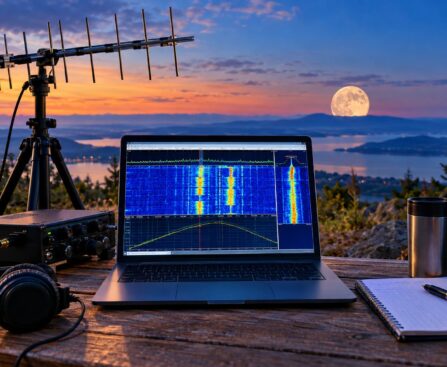
Prepare a modest VHF/UHF station for EME by listening first, decoding Q65, checking Doppler, and deciding when transmitting is realistic.

We supply Vikings, Gladiators, Hams, Sailors and other braves
We supply Vikings, Gladiators, Hams, Sailors and other braves

Prepare a modest VHF/UHF station for EME by listening first, decoding Q65, checking Doppler, and deciding when transmitting is realistic.

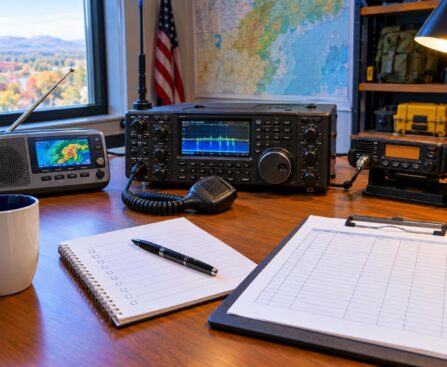
Turn the national EAS test into a legal, useful ham club drill: monitor, log, run a net, compare coverage, and debrief without retransmitting alerts.
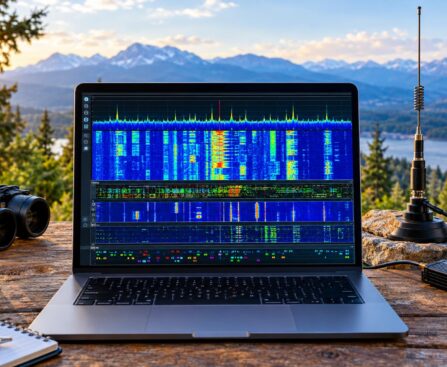
Set up a receive-only OpenWebRX+ station to watch APRS, packet, FT8/WSPR, and repeater activity before adding any RF transmit path.
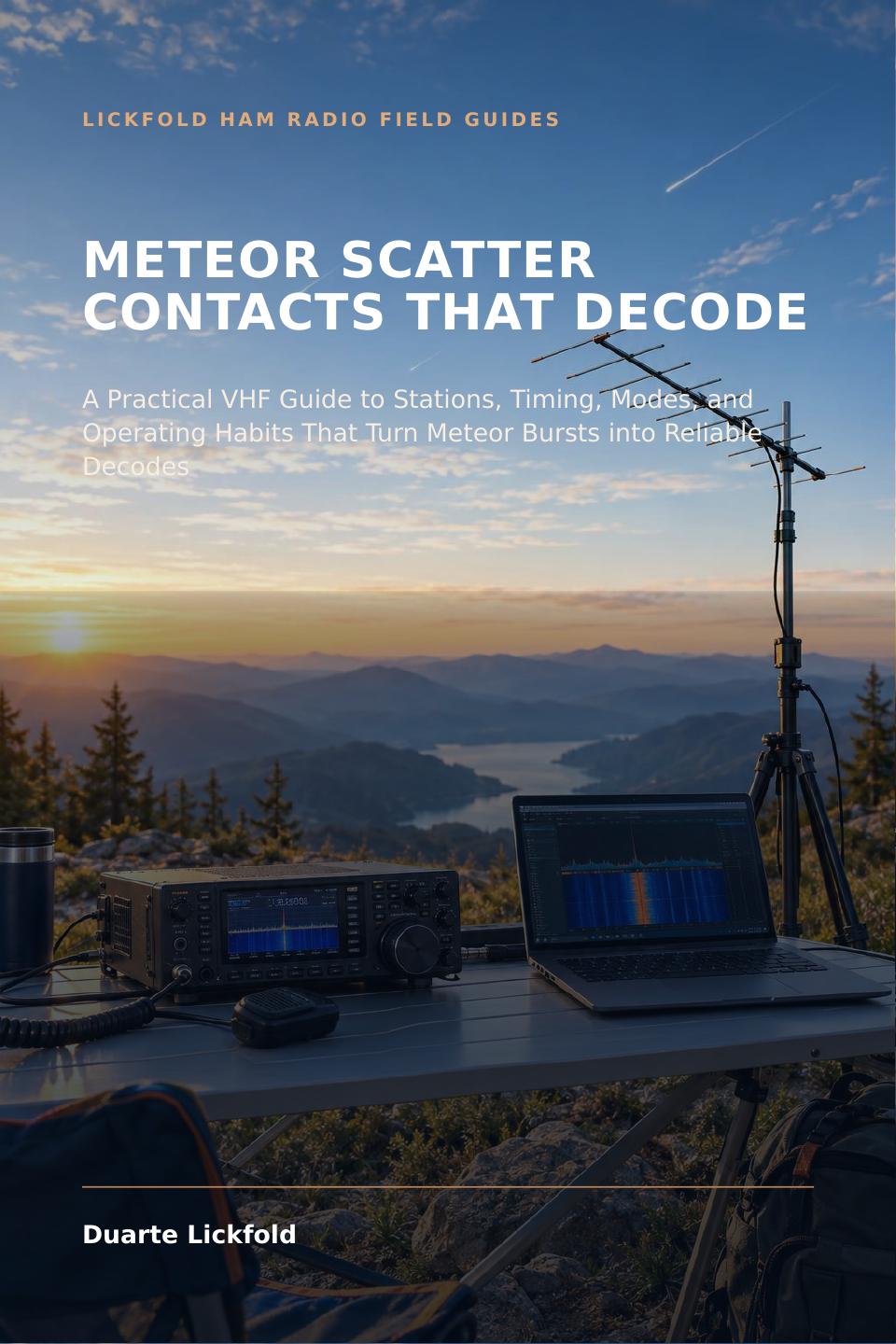
Seeing bright meteor scatter traces is encouraging, but traces alone do not complete contacts. Here is how timing, sequencing, audio, antennas, and expectations affect real VHF decodes.

Build a practical SWPC HF propagation dashboard for band choice, DX timing, nets, and three-day operating risk without guesswork.
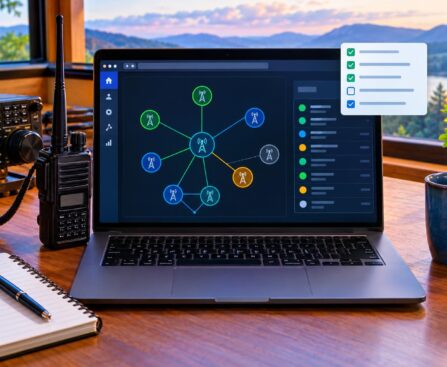
Practical steps to update an AllStarLink VHF or UHF node, enable AppAuth readiness, and verify RF repeater access before app changes arrive.
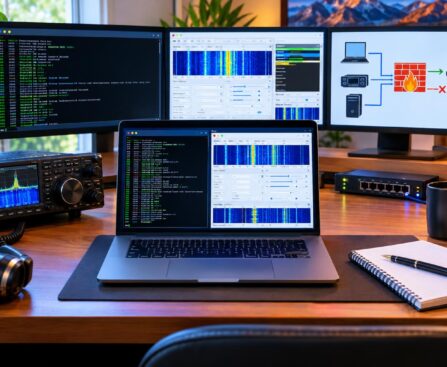
A practical safety-first guide to updating Hamlib rigctld, limiting LAN exposure, and retesting WSJT-X CAT control after recent Hamlib fixes.
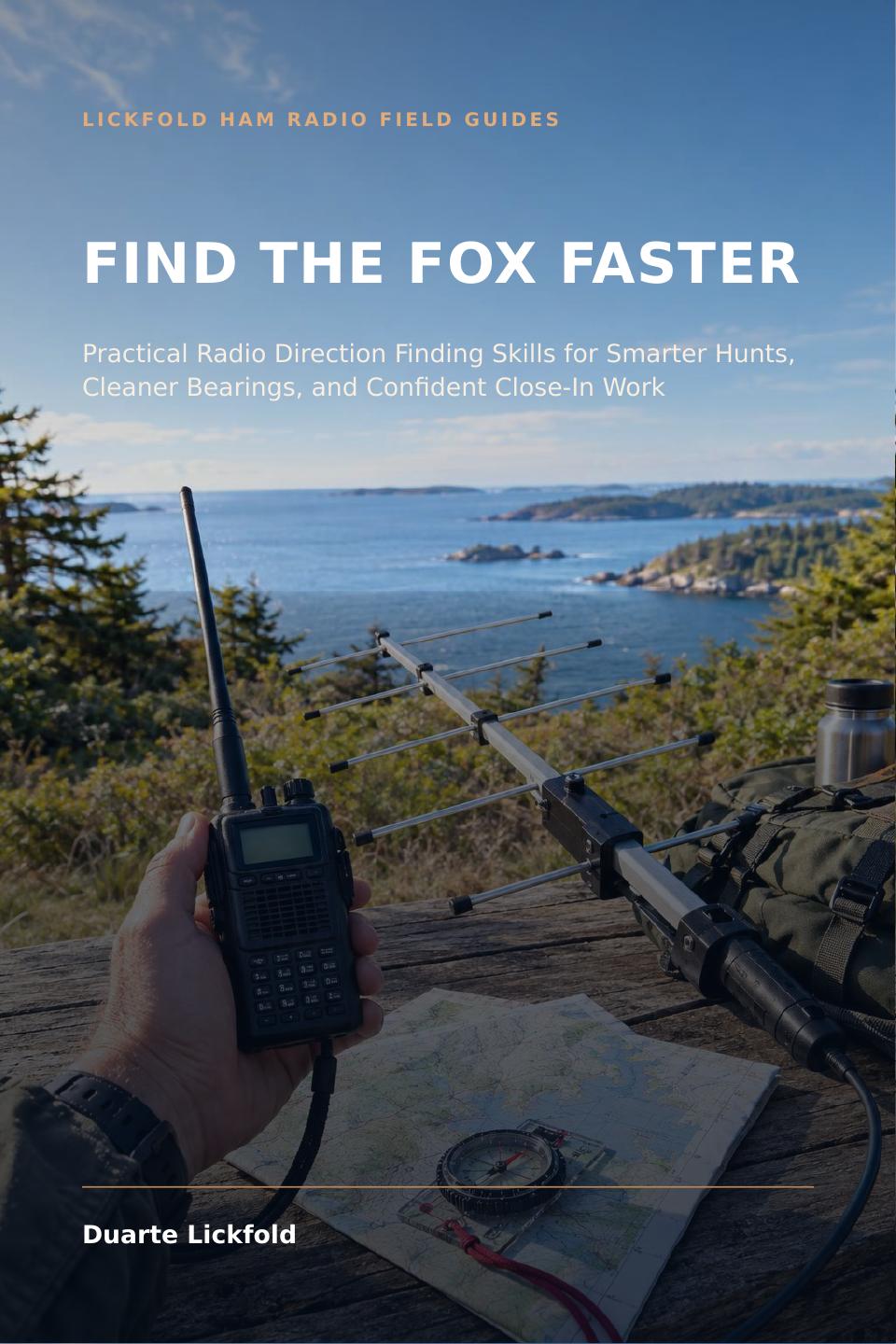
In radio direction finding, the loudest signal is useful information, but it is not a navigation order. Better foxhunters move faster by combining bearings, geometry, attenuation, and disciplined verification.
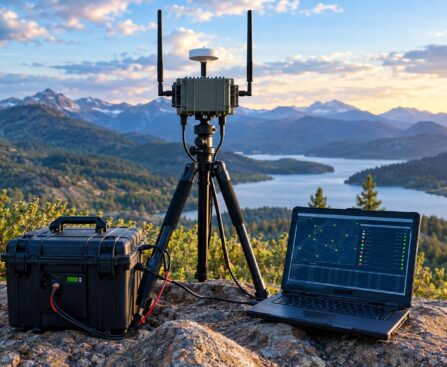
A practical post-upgrade AREDN 4.26.10 mesh audit for routes, services, backups, node configuration, and off-grid power readiness.
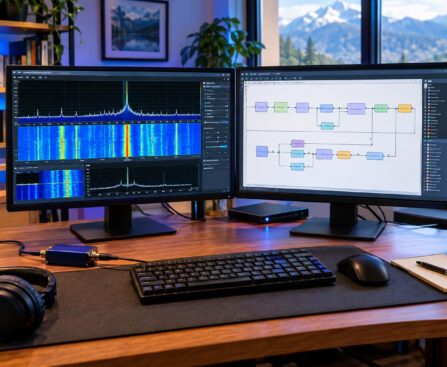
Safely evaluate GNU Radio 4 RC3 with one ham SDR flowgraph while keeping your proven GNU Radio 3.10 station untouched.
Get a customized HF Propagation Report for your station!
There aren’t two equal stations in the world.
