
Join our Exclusive Ham Radio Newsletter
Many amateur radio operators reach a frustrating stage in CW: they can copy clean practice code, recognize most characters, and maybe even pass a comfortable session at 15 or 20 WPM, but the first real HF contact feels chaotic. The signal fades. Another station appears nearby. A static crash erases half a word. The sender’s rhythm is uneven. Suddenly, the operator who could copy drills at the computer is staring at a notebook full of fragments.
This is normal. Real-band CW is not the same task as copying ideal audio. Clean practice teaches character recognition, but live HF asks you to recover useful information from an imperfect channel. That difference matters because it changes how you should practice, how you should listen, and how you should judge your own progress.
The first adjustment is mental: stop treating every missed character as failure. In a real QSO, not all information has the same value. Missing one word in a friendly comment may not matter. Missing a call sign character, a report, a name, or a QTH may matter a lot. Your job is not to produce a museum-quality transcript. Your job is to copy enough verified information to understand the exchange and log accurately.
That begins with knowing the structure of a typical CW contact. Many basic QSOs follow a predictable path: call signs, report, name, location, perhaps rig, power, antenna, thanks, and 73. Structure does not give you permission to invent copy, but it does help you rejoin after a gap. If you miss three seconds during QSB and then hear NAME, you know where you are again. If you hear QTH after a static crash, you can prepare for a place name rather than random text. Labels are recovery points.
A useful habit is to mark uncertainty immediately instead of trying to hold it all in memory. For example, if you hear K4, miss two characters, and then hear R, write K4__R rather than forcing a guess. If a character might be J but you are not sure, mark it as J? in your notes. If a whole section disappeared, write a bracketed gap. This keeps your brain honest. It also tells you exactly what to ask for later: CALL? is better than repeating the entire exchange when only the call sign is uncertain.
Receiver setup also plays a larger role than many learners expect. A signal that is louder is not always more readable. For CW, comfort and clarity matter. Choose a CW pitch you can listen to without strain. Tune so the wanted signal is centered at that pitch. Use a filter wide enough to find and understand the signal, then narrow only as needed to reduce nearby interference. If the filter is too narrow too soon, you may make tuning harder or make a drifting signal disappear. Adjust RF gain, AF gain, preamps, attenuators, AGC, and DSP for readability, not maximum audio impact.
When interference is present, avoid the temptation to twist five controls at once. Make one change, listen, then decide whether it helped. A small RIT adjustment or passband shift may separate the wanted tone from a nearby signal. Moderate filter narrowing may reduce fatigue. Too much processing, however, can smear the rhythm of Morse or make weak characters less natural. The goal is not a silent receiver; the goal is copyable rhythm.
Training with noise should be progressive. Some operators punish themselves by jumping from perfect practice audio to brutal live-band conditions and then conclude that they are not good at CW. A better approach is to add one difficulty at a time. Start with realistic QSO text in clean audio, not random groups only. Then add mild hiss. Then try slow fading. Then add occasional static crashes. Later, work with recordings or SDR audio where signals overlap or drift.
A practical benchmark is to aim for about 70 percent useful copy on the first pass. If you copy nearly everything, the drill may be too easy. If you copy almost nothing, you are probably training frustration more than skill. Productive practice sits in the working zone: hard enough to require recovery, but not so hard that you abandon structure and start guessing.
Call signs deserve special treatment because they are high-consequence information. Amateur call signs have patterns, but pattern knowledge should support partial copy, not replace hearing. If you hear W1A?L, you know the shape of the call, but you still need confirmation before logging it as a specific station. Listen for repetition. Many stations send their call more than once, especially during CQ or at the end of an over. If uncertain, ask narrowly: CALL? or UR CALL AGN PSE. This is normal operating, not an embarrassment.
The same narrow-repeat idea applies to other fields. If QSB swallowed the name, ask NAME AGN PSE. If the location was unclear, ask QTH? If a number is uncertain, ask for that number rather than the whole contact. Narrow requests reduce burden on the other operator and protect your working memory. They also reinforce the core discipline of real CW: separate heard, inferred, and unknown information.
Weak-signal copy requires another important skill: rejoining. During fading, do not mentally freeze at the first lost character. Mark the gap and listen for the next complete group. If you missed the name, you may still catch the QTH. If you missed the rig, you may still copy PWR or ANT. Real HF often gives information in pieces. Good operators learn to collect the pieces that survive and repair the ones that matter.
Crowded bands add the challenge of attention. When two CW signals sit close together, choose one tone as your anchor. Listen to its pitch, rhythm, and timing. If your attention slips to the stronger adjacent station, gently pull it back to the wanted tone. Pitch separation is a skill, and it improves with deliberate exposure. Still, there is a limit. If reliable copy is no longer practical, moving frequency or closing honestly is better than pretending you copied what you did not.
Your first real QSOs should be simple. Listen before transmitting. Verify the other station’s call. Choose a station sending at a manageable speed. Use a compact note template with fields for call, RST, name, QTH, and comments. Send plainly. If you make a sending mistake, correct it simply and continue. If you miss something, ask clearly. A modest, verified contact is far better than an impressive-looking log entry built on guesses.
Finally, use recordings as a learning tool. For live practice, make a first pass in real time and write what you actually copied. Then replay for learning, not to rewrite history. Classify your errors: call-sign error, number error, label missed, attention drift, receiver setting problem, or fatigue. Patterns will appear. Maybe you lose numbers under QRM. Maybe you miss names after static crashes. Maybe you copy better with a slightly wider filter. Those observations turn vague frustration into a practice plan.
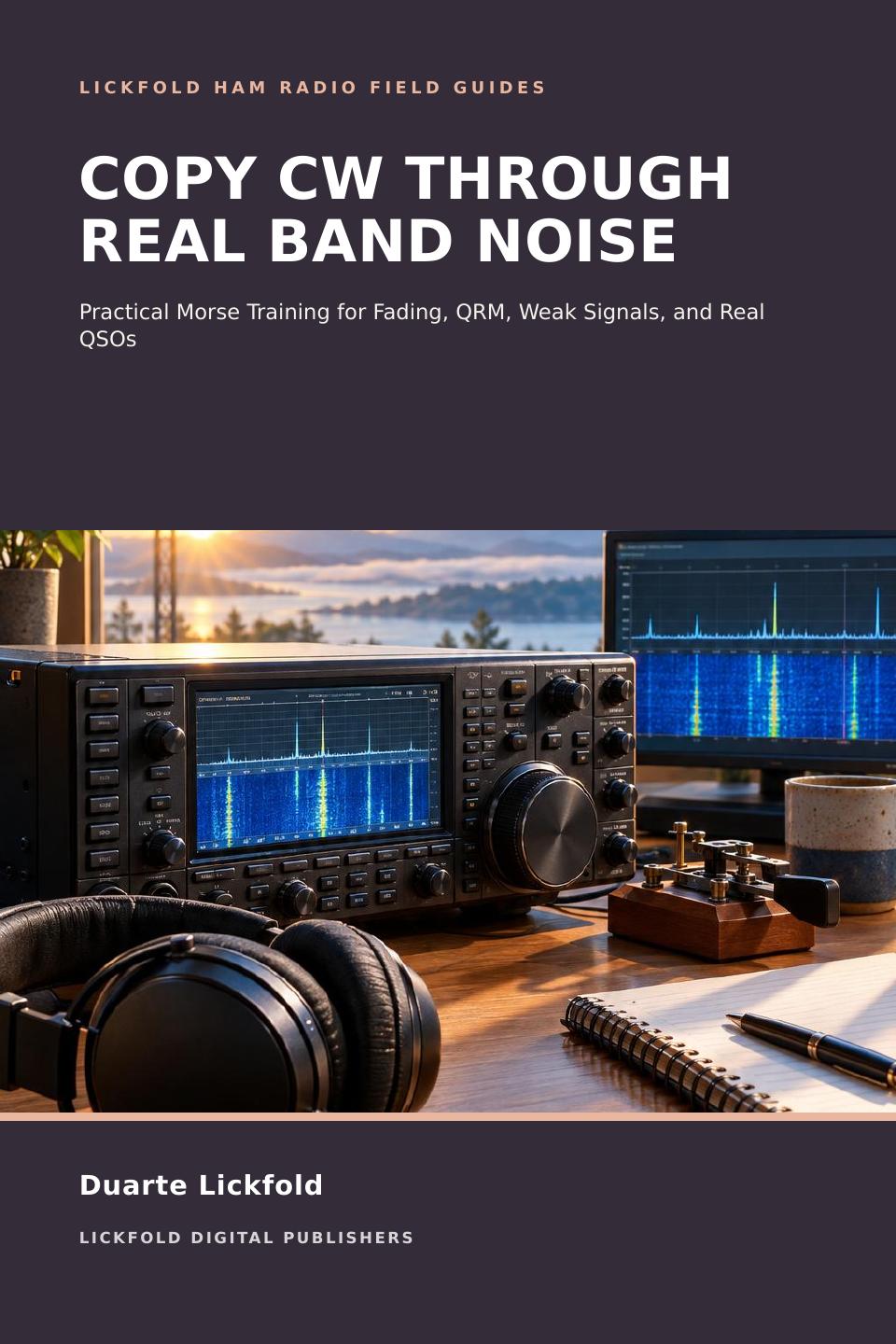
If you want a structured guide to this transition, Copy CW Through Real Band Noise by Duarte Lickfold is built for operators who already know Morse characters but struggle with real HF conditions. It focuses on receiver habits, noise training, fading recovery, QRM, call-sign confidence, concise repeat requests, and practical QSO methods. It will not promise magic speed or guaranteed DX, but it offers a grounded path toward copying usable CW when the band is less than perfect.
Explore the Book
Continue learning with Copy CW Through Real Band Noise by Duarte Lickfold, published by Lickfold Digital Publishers.
Check our selection of Hamradio e-books
-

Worldwide DX under 5watts
$9.97 -

Portable Antennas That Pack Small
$9.97 -
Tame Your First HF Dipole
$9.97 -

Backyard Antennas for Tight Spaces
$9.97 -
First POTA Activation Playbook
$9.97 -
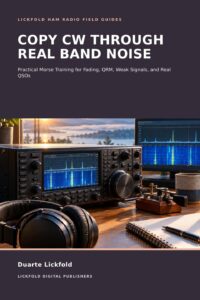
Copy CW Through Real Band Noise
$9.97 -
Reading the HF Sky
$9.97 -
FT8 Without the Frustration
$9.97 -
Make Your Own RF Probe
$9.97 -
Sale!
Mastering APRS
Original price was: $59.99.$47.99Current price is: $47.99.
A Comprehensive Guide – ebook
⭐⭐⭐⭐⭐ -
Sale!
Mastering FT8
Original price was: $59.99.$47.99Current price is: $47.99.
A Comprehensive Guide to the Ultimate Digital Mode – ebook
⭐⭐⭐⭐⭐ -
Sale!

Stealth CB Antennas
Original price was: $59.99.$47.99Current price is: $47.99.
A Masterclass in Innovation and Disguise – ebook
⭐⭐⭐⭐⭐ -
Sale!
Ace Your Ham Radio Exam
Original price was: $59.99.$47.99Current price is: $47.99.
Technician, General, and Extra Class – ebook
⭐⭐⭐⭐⭐ -
Sale!
DMR for Hams
Original price was: $59.99.$47.99Current price is: $47.99.
The Ultimate Beginner’s Guide – ebook
⭐⭐⭐⭐⭐ -
Sale!
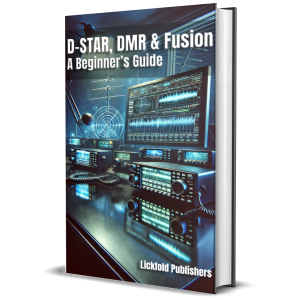
D-STAR, DMR & Fusion
Original price was: $59.99.$47.99Current price is: $47.99.
A Beginner’s Guide – ebook
⭐⭐⭐⭐⭐ -
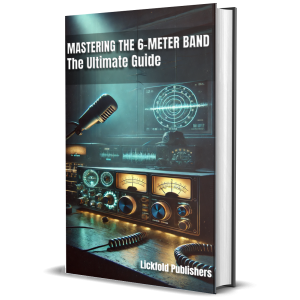
Mastering the 6-Meter Band
$47.99
The Ultimate Guide – ebook
⭐⭐⭐⭐⭐ -
Sale!
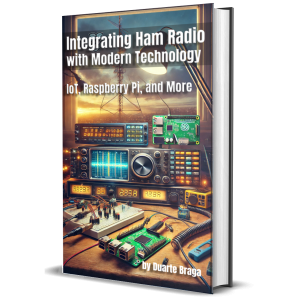
Integrating Ham Radio with Modern Technology
Original price was: $59.99.$47.99Current price is: $47.99.
IoT, Raspberry Pi, and More – ebook
⭐⭐⭐⭐⭐ -
Sale!
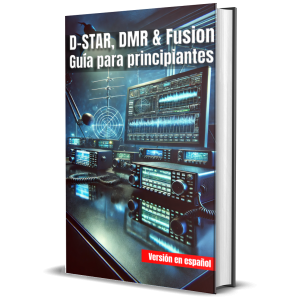
D-STAR, DMR & Fusion
Original price was: $59.99.$47.99Current price is: $47.99.
Guia para Principantes – ebook
⭐⭐⭐⭐⭐ -
Sale!
Ham Radio for Preppers
Original price was: $59.99.$47.99Current price is: $47.99.
The Essential Survival Communications Guide – ebook
⭐⭐⭐⭐⭐ -
Sale!
Mastering Marine Radio
Original price was: $59.99.$47.99Current price is: $47.99.
A Sailor’s Guide to Confident Communication – ebook
⭐⭐⭐⭐⭐

Enter shop