Description
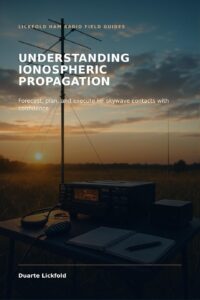
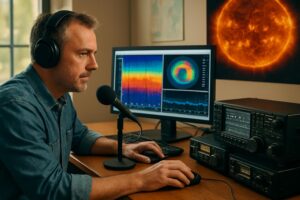
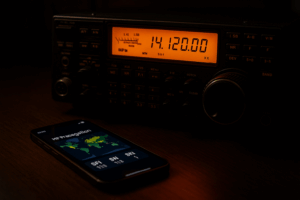
Understanding Ionospheric Propagation offers a structured, practical path from ionospheric physics to on-air decisions. It begins with foundations of plasma frequency, MUF approximations, and hop geometry, then connects solar and geomagnetic drivers to real-world planning. Readers learn how daylength, solar flux (S10.7), and sunspot activity influence foF2 and MUF, and how Kp and Ap indices modulate reliability. The book then provides numerical, unit-safe methods for estimating MUF and skip distance, with worked examples showing how small height uncertainties can swing results by tens of percent. It guides readers through choosing operating bands, understanding oblique paths, and verifying needs with oblique MUF or ray tracers when simple models fail. Practical tools such as VOACAP, IRI, and ionosondes are discussed as part of a disciplined forecasting workflow, not as black-box gimmicks. The antenna and operating chapters translate these numbers into field-ready decisions: choosing antennas, matching, and considering takeoff angles, plus a clear planning routine covering pre-session briefing, time-blocked execution, and post-session analysis. Safety, interference, and regulatory considerations are placed at the center of operations, so transmit planning includes RF exposure, licensing checks, and safe perimeters. The final chapters tie propagation to digital modes, with calibrated link-budget thinking and explicit triggers tied to SNR and fading margins. The result is a repeatable, auditable propagation toolkit you can adapt to different bands, paths, and equipment. Whether you are a casual operator seeking more reliable openings or a DXer chasing distant contacts, this book provides a disciplined framework to forecast, plan, and document your skywave activities.
What You Will Learn
- How to estimate MUF and skip distance using foF2 and simple geometry
- How solar and geomagnetic indices (S10.7, sunspot numbers, Kp, Ap) influence planning accuracy and band potential
- How to interpret diurnal and seasonal patterns for band selection
- How to use oblique MUF and ray-tracing concepts when flat-earth approximations fail
- A practical five-step forecast-to-action workflow with pre-session, in-session, and post-session routines
- How to choose antennas and match them to path distance, takeoff angle, and feedline considerations
- A structured operating plan including time-blocked sessions and contingency rules
- How to log propagation data effectively and use feedback to improve future plans
- Operational safety, RF exposure, licensing checks, and interference considerations
- How digital modes (FT8, JT modes) fit into a propagation planning framework
Who This Book Is For
- Amateur radio operators seeking predictable long-distance QSOs
- DXpedition teams planning across transcontinental paths
- Contest operators and mobile field stations
- Radio hobbyists learning ionospheric science
- Students of space weather and radio propagation
Inside the Book
- Foundations of Ionospheric Propagation
- Solar and Geomagnetic Drivers of HF Openings
- Layer Heights and Critical Frequencies in Practice
- MUF, Skip Distance, and Path Planning
- Practical Tools for Ionospheric Assessment
- Antennas for Skywave: Matching, Polarization, and Patterns
- Operating Strategies for Skywave Openings
- Safety, Interference, and Regulatory Considerations
- Digital Modes and Ionospheric Propagation
- Forecasting, Planning, and Building a Propagation Toolkit
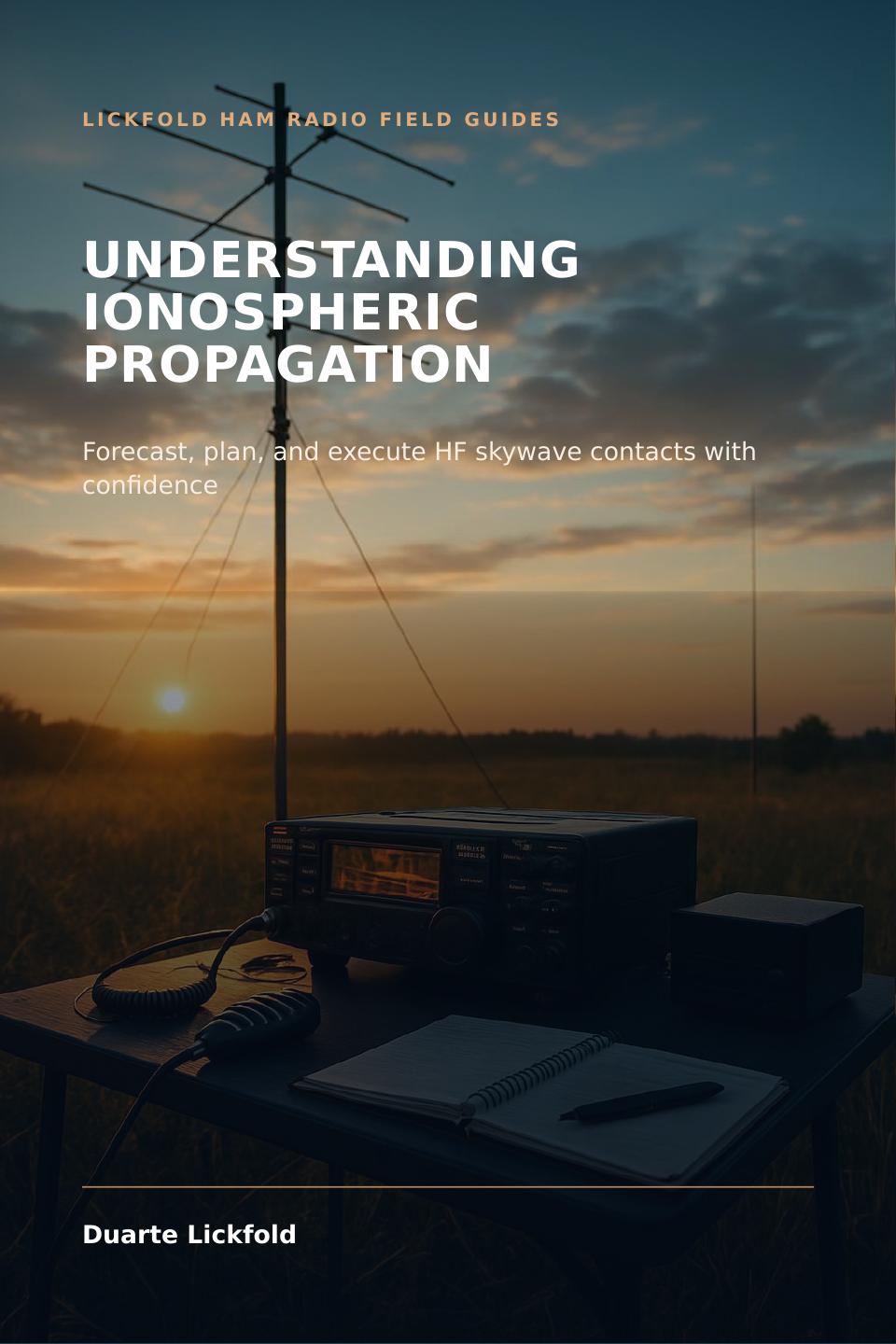
Format: EPUB eBook. Author: Duarte Lickfold. Publisher: Lickfold Digital Publishers.